


Pest Control Services
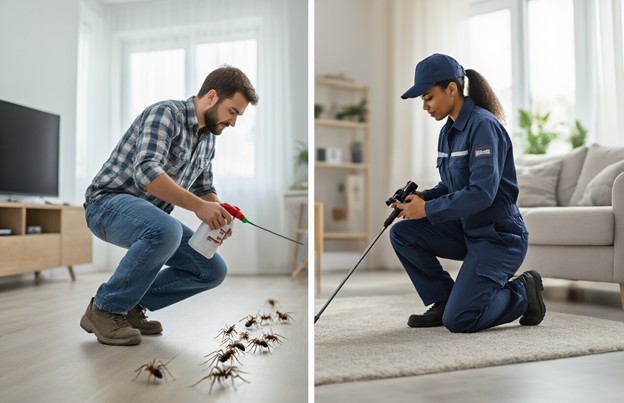
The mental toll of living with pests shouldn't be underestimated.
 |  |
 |  |

Eco Friendly Pest control Services can make easy to live healthy.
Do not underestimate the mental toll of having to live with pests.
Have you ever woken up one morning to find a trail of ants across your kitchen counter? Nothing ruins breakfast faster than uninvited six-legged guests. Eighty-four percent of homeowners in Bangladesh face pest problems every year.
DIY solutions may be good enough for the occasional spider, but when there is an infestation, professional pest control services are convenient as well as necessary.
Our company has served thousands of families in reclaiming their homes from termites to bed bugs. One member of our team never just sprays and hopes for the best. He always develops a targeted pest management strategy, and eventually, this rubbed off on the rest of us.
But here is something effective about pest control that most companies would never tell you upfront…
Common household pests and their threats
Health risks: diseases carried by rodents and insects
Your home is hosting uninvited guests. Not just a simple nuisance, but something that carries diseases to severely ruin the health of your family.
Rodents such as rats and mice? They are not simply consuming your food. In their droppings, urine, and saliva, they are spreading hantavirus, salmonellosis, and leptospirosis. If it is surface contact with any of their contaminated surfaces then later touches his or her face infection has found its way home.
Mosquitoes do not just leave itchy welts. They are the world’s deadliest animal. With a single bite, they transmit West Nile virus, Zika, and dengue fever.
Those cockroaches scurrying across your kitchen floor? Walking germ factories carrying E.coli and salmonella while triggering asthma attacks in children.
Property Damage: How Pests Destroy Your Home
Yes! Let us talk about something far more important to you than viruses or bacteria: your house.
Most pests do not simply make themselves comfortable within your home. They eat it from the inside out long before an untrained eye can spot their handy work… until it is too late.
Termites munching their way silently through the structure of your home. Five billion dollars’ worth of damage to American homes every year. Most insurance policies will not cover this destruction, leaving homeowners with massive repair bills.
Rodents are disease vectors but they are also destructive contractors working against you. Chewing through electrical wiring (hello, fire hazard), damaging insulation and creating entry points for more pests.
Carpenter ants hollow out wood. Wood-boring beetles leave holes in your furniture that make it look like Swiss cheese.
Food Contamination: Protecting Your Family's Health
Nothing turns your stomach quite as much as finding out pests have been sampling your pantry before you.
Cockroaches contaminate food with bacteria from the sewers and garbage they frequent. When they walk across your countertops and food, they're leaving behind potential pathogens that cause food poisoning.
Rodents contaminate much more food than the quantity they consume. A single mouse is capable of shedding 70 droppings per day, alongside urine and hair contamination on surfaces.
Pantry pests such as the meal moth and weevils invade dry goods to render whole packages useless while possibly contaminating adjacent foods.
Psychological Impact: Stress and Anxiety from Infestations
People get stressed up when there are pests in their houses or places of work; thus, this topic cannot be overemphasized.
Entomophobia (fear of insects) or mysophobia (fear of rodents) develops in many after infestation. These phobias can trigger an anxiety attack even at sight of similar creatures.
Sleep disruption becomes common- the sound of scurrying in walls or simply worrying about bed bugs feeding during the night results to insomnia and fatigue.
Social isolation because of embarrassment to invite anyone builds up inside the homeowner, followed by a relationship strain when family members argue on the severity or solution to the problem.
Advantages of Professional Pest Controllers
Equipment and Techniques Used By Professionals
Most professionals always ensure that they are updated with the current trends and innovations in their industry. This means they will have advanced equipment, tools, and products for dealing with pests inside your home or workplace.
DIY pest control usually involves a can of spray. Professional exterminators come in with an arsenal. Commercial-grade sprayers that reach places you cannot, specialized tools for hidden infestations, thermal imaging equipment to find pests inside walls.
They use EPA-approved formulations not even sold at hardware stores. These work quicker and seem to have long residual effects, also being less toxic than most over-the-counter options available nowadays.
Expert identification of pest species
That “bug” in your kitchen seems obvious to you, but pros know better. Pros can tell the difference between carpenter ants and termites or between bed bugs and carpet beetles. This matters hugely.
Wrong identification = wrong treatment = wasted money.
They spot early warning signs you would miss. Behavioral patterns that their experience has taught them to recognize which will help in targeting treatments precisely.
Customized Treatment Plans
Specific factors considered by professionals which are different between your house and your neighbor's where a certain method worked but is completely failing at your place, include building structure and vulnerable entry points, the surrounding landscape and potential harborages inside severity-and extent-of infestation presence of pets or children’s seasonal factors that may be affecting pest behavior all get specific attention in their targeted plan.
Time-Long Run Cost Savings
Yes, it does. It costs more to call them than do it yourself with some solution you picked up somewhere. But think long term.
DIY Failures Result in:
Several products purchased.
Damage to the property in their attempt to get rid of pests, if any infestation was left untreated.
Re-applications with diminishing results.
Possible health hazard due to improper use of chemicals,
One professional treatment will achieve what several DIY treatments could not.
Preventive Measures
The best form of pest control is before an infestation takes place. Professionals get rid of existing problems and future ones as well because they seal entry points that most untrained eyes would miss.
They’ll spot the risk factors around your home, close up entry points, and suggest maintenance practices that make your house less inviting to pests. Many provide scheduled maintenance programs that stop infestations before they start.
This proactive approach saves you headaches, property damage, and yes—money too.
Eco-Friendly Pest Management Solutions Chemical-Free Alternatives
Who wants to spray toxic chemicals around their home? Not me , and probably not you either. The good news is you don’t have to.
Diatomaceous earth is basically fossilized algae. To humans, it feels soft and silky but to insects with exoskeletons, it’s razor sharp. Sprinkle a line in their path and they’ll be sliced up inside-out within hours of contact. Safe enough to eat (food grade only) yet completely deadly for bugs!
Essential oils! Not just another pretty smell… Peppermint oil makes mice go mad- seriously disturbed- while ants cannot stand cinnamon or mosquitoes run from lemongrass! A few drops mixed with water in a spray bottle provides powerful pest control that also happens to smell fantastic.
Vinegar, that miracle kitchen staple, destroys ant trails and repels a bunch of other pests too.
Integrated Pest Management Approach
IPM isn’t just some buzzword the pest control industry uses to throw around and make themselves look good. This is real. And it works.
Here’s the deal: low toxicity first whenever possible, escalating only when needed. So we get all preventive on their asses-blocking entry points; removing food sources; standing water elimination.
Next is monitoring. You cannot fix what you do not know or understand, right? Identify the pests and reasons they are attracted to your place.
Physical controls- traps and barriers, also includes removal by hand.
Biological control- natural predators that will consume the pest, for example ladybirds eat aphids.
Chemical control as a last resort and even then IPM emphasizes the use of least toxic options available.
Pet and Child-Safe Options
Your children crawl on those floors. Your dog licks everything. The last thing you need is poison where they play.
Boric acid is one of the safest pest killers around when used correctly. It’s deadly to roaches but has low toxicity to mammals.
Sticky traps catch mice, spiders, and insects without a drop of poison. Just place them where tiny hands and paws can’t reach.
Nematodes are tiny microscopic worms which prey on pests within the garden. They are totally harmless to humans and other animals but deadly to grubs and all pest insects within the soil.
Food grade DE (as previously discussed) is so safe that some people actually consume it as a supplement. It will not harm your pets if they happen to get into it.
Sustainable Pest Control Practices
What worked today ought to work tomorrow, without destroying either your home or the planet. That's sustainability.
Companion planting is smart. Put basil with tomatoes and hornworms stay away. Plant marigolds to repel nematodes. Nature doing the work for you-what's not to love?
Rotating crops in your garden pest populations from becoming established. They show up looking for last year's buffet and find something they hate instead.
Proper waste management makes your home less attractive to pests. Sealed compost bins, regular garbage removal, and clean drains mean pests move along to easier targets.
Encouraging biodiversity in your yard brings natural predators. Bats eat mosquitoes. Birds eat caterpillars. You get a beautiful, balanced ecosystem instead of a chemical dependency.
DIY vs. Professional Pest Control
When to Handle Pests Yourself
Only a few ants are crawling in the kitchen. Or there are spiders at the corners. Not all pest problems require professionals to handle them.
You can carry out a DIY pest control when:
The infestation is still small and only within one area
You can easily identify what type of pest it is
There are over-the-counter solutions available
You do not have any health conditions that chemicals may aggravate
They are not in hard-to-reach places inside your home
For example, a small number of ants can be handled with over-the-counter baits. A couple of mice may just need some traps. These DIY solutions save you money and give quick results.
Always remember to read the product labels and wear protective equipment when using pesticides. Never mix chemicals-that is really asking for trouble.
Signs You Need Professional Intervention
Sometimes pests just won’t get the hint. Here’s when it’s time to wave the white flag and call in pros:
You’ve tried DIY methods multiple times with no success.
The infestation is spreading or coming back quickly.
You’re dealing with dangerous pests like wasps, scorpions or venomous spiders.
There are pests that can cause structural damage (termites, carpenter ants).
You spot bed bugs (these are notoriously difficult to eliminate).
You have children or pets and worry about chemical exposure.
They have access to better products. They know all the hiding spots within your home. Knowledge of pest behaviors and patterns that an average homeowner would never even consider.
Cost Comparison and Value Assessment
The DIY method always appears cheaper upfront-in most cases, sometimes the math does not really add up.
Think about hidden costs too. DIY often means:
Multiple product purchases as you try different solutions
Potential damage to your home from improper treatments
Time spent researching and applying treatments yourself
Possible health risks developing from incorrect use of chemicals
They offer warranties, they schedule a follow-up visit, and propose prevention plans. They notice things you might have missed-like entry points or conditions that would attract pests.
The bottom-line real value is peace of mind. Can you sleep with the thought that maybe-perhaps those termites could still be eating away? Sometimes an advance payment assures your sanity-and home.
Seasonal Pest Control Guidelines:
A. Spring: Preventing Ant and Termite Invasions
Spring is when ants and termites become active in searching for new places to inhabit. Most probably, that place would be your home.
Ants generally become active when the temperature rises above 50 degrees Fahrenheit.[1] Seal entry points around windows and doors. Small cracks provide highways into your kitchen for them; seal up what you can now, while it's still cool outside.
For termites, check your foundation after spring rains. Wet wood is termite candy. Remove any wood-to-soil contact around your home and keep mulch at least 6 inches from your foundation.
Pro tip: Don't wait until you see a trail of ants. By then, you've got thousands of new roommates. Schedule a preventative treatment in early spring.
B. Summer: Controlling Mosquitoes and Flies
They carry diseases as well as ruining your barbecue.
A mosquito can lay its eggs in something as small as a bottle cap. Do a weekly walk around your property and empty all standing water. Yes, those plant saucers you forgot about? Prime mosquito nurseries.
When it comes to flies, it’s all about how you manage your trash. Double bag meat scraps and use tightly sealed containers. A fly can smell food from a mile away and doesn’t care if it shares your lunch.
Outdoor dining areas need special attention. Install a fan – mosquitoes and flies are weak fliers; they cannot withstand an artificial breeze. This is one simple trick that most people miss.
C. Fall: Keeping Rodents Out as Weather Cools
This is the time of year when mice and rats start searching for winter quarters. Your warm house looks just perfect to them.
A rodent can squeeze its body through a hole as small as dime. Check your foundation, utility entries and roof vents. Steel wool works wonders for plugging small holes- rodents cannot chew through it.
Your fall yard cleanup matters too. Piles of leaves or firewood stacked against your house are like rodent hotels with direct access to your home.
The garage door is often the weakest link. If yours doesn't seal completely when closed, install a door sweep. One small gap is all it takes for unwanted guests to move in.
D. Winter: Managing Indoor Pests During Cold Months
Winter brings its own pest problems – mostly because everyone wants to be inside where it's warm.
Cockroaches also love our winter homes because we seal everything up so nice and tight. Warm, humid spots near water sources suit them just fine. Check under sinks, behind refrigerators, and around water heaters once a month.
Spiders are not really the problem everyone thinks they are. They help control other indoor pests. If you can tolerate them in out‑of‑the way corners, they will reduce your insect population.
Winter is the time they thrive because we also keep more food stocks. Store all your dry goods in airtight containers, including flour and cereal. One box of crackers can be left out and forgotten; that shall serve as an incubation center for kitchen-wide infestation long before you notice any activity.
That is winter pest control—a constant inspection regime. Set a reminder every month to check on those dark warm areas within your house; catching them early saves you from having major headaches later on.
Choosing the Right Pest Control Services
Credentials and Certifications to Look For
Hire the right pest control company or you could end up broke while bugs continue to party in your home. Make sure they have these credentials:
State license: All legal pest control operators must have one. No license? Huge red flag.
QualPro or GreenPro certification: Both certifications prove the company is environmentally conscious in its operations.
Technician certificates: They should possess specific training on whatever chemicals they are applying within your premises.
Insurance policy: Mistakes do happen; ensure that their insurance covers such eventualities so that you will not be held liable,
Most reputable companies display these credentials on their website or trucks. Can't find them? Just ask!
Questions to Ask Before Hiring
Don't be shy—this is your home we're talking about! Ask these questions before signing anything:
"What exact pests will your treatment target?"
"How many visits will this take?"
"Do you offer any guarantees?"
"What chemicals will you use, and are they safe for my kids/pets?"
"Will I need to leave during treatment, and for how long?
Yes! Most reputable companies either have them listed on their websites or painted onto the sides of their trucks. If you still cannot find it-just ask them for it!
QUESTIONS TO ASK BEFORE HIRING
Do not feel embarrassed; this is your house we are talking about. Get answers to all these questions before signing anything:
What specific pests will the treatment target?
How many visits shall it require?
Is there any guarantee provided?
What chemicals would be used and are they safe for my children/ pets ?
Would I need to leave during the treatment, if yes then how long?
"What preventive measures do you recommend?"
The right company won't rush to close or become evasive about this question. They shall respond with confidence and in plain English, not pest control jargon.
Reading and Understanding Service Contracts
No one likes reading the fine print, but with pest control services, you have to. Pay very close attention to:
How often they want to provide service—monthly, quarterly or annually?
Some contracts only specify certain pests covered by the contract.
What happens if the insects return? Is there a guarantee? How long is the guarantee period?
Cancellation policy: Can you end service without penalties?
Additional fees: Watch for sneaky charges for "special" treatments
Take your time reviewing the contract. If something doesn't make sense, ask for clarification. Never sign until you're completely comfortable with the terms.
Evaluating Customer Reviews and Testimonials
Reviews tell you what the company won't. But not all feedback is created equal:
Check multiple platforms (Google, Facebook, Linkedin)
Look for detailed reviews, not just "They were great!"
Notice how they respond to bad reviews.
Look for a pattern in the complaints.
No amount of web research beats asking your neighbors or community groups who they recommend.
One bad review isn’t a deal breaker, but several mentioning the same issue? That’s a pattern you can’t ignore.
Price vs. Quality Considerations
The cheapest option might cost you more in the long run. Consider:
-Value over price: Sometimes paying more upfront means fewer return visits
-Service guarantees: Companies confident in their work offer these
Included follow-ups: Do they mention how many times will they come back if the pests return? More effective (and sometimes eco-friendly) solutions might cost more. Quality pest control service should involve a keen understanding of how to prevent them from coming back, not simply killing them. Sometimes, it is that middle-priced option with excellent reviews which beats both the budget and premium choices.
Effective pest control is a process. Rodents, insects- whatever the common household pests or seasonal prevention is required, an appropriate solution must be applied to your particular situation. Detail-oriented professional pest control services bring experience, tools of the trade and long-lasting protection that DIY methods rarely match. Meanwhile eco-friendly options result in effective outcomes without sacrificing environmental safety or the health of your family.
Your house is where you and your family stay most of the time. Do not allow it to be a source of health risk, structural damage, or discomfort brought about by pests. Talk to the right people who can assess your needs and implement an appropriate customized solution - Pest Control Professionals. Invest in proper pest management. Create a healthy home environment that will eventually save you from spending on repairs.
Click us to Get Free Quoatation